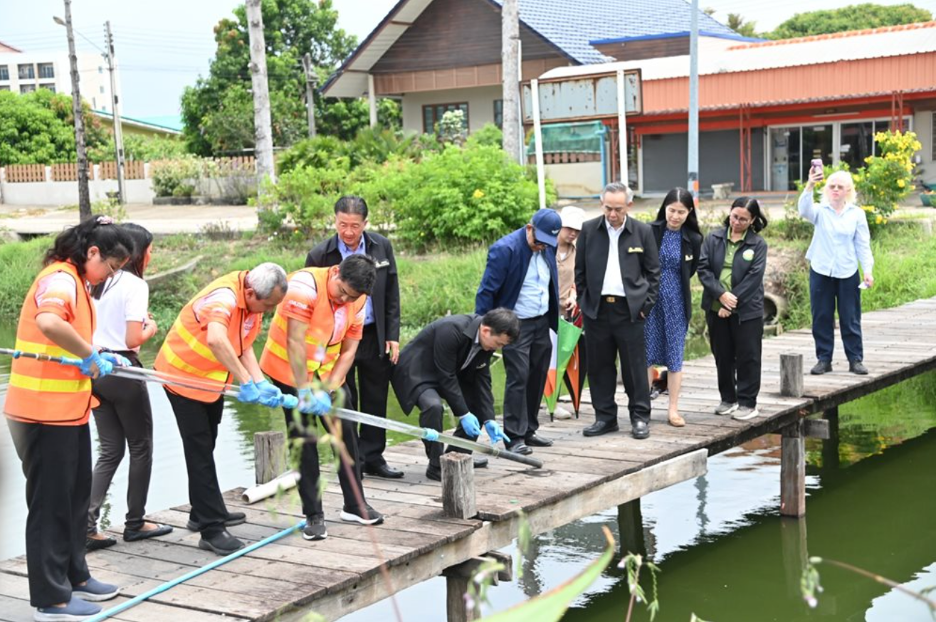
The King Mongkut’s University of Technology North Bangkok (KMUTNB) is committed to developing and supporting programmes and incentives that foster responsible aquatic-stewardship practices across campus, with an aim to protect marine and freshwater ecosystems and advance sustainable engagement with local communities. At the heart of this initiative is the establishment of reward-and-recognition schemes for student groups, research teams and industry partners who demonstrate measurable improvements in aquatic ecosystem health — for example through plastic-reduction efforts, wastewater-reuse systems, mangrove restoration or micro-plastic monitoring. These incentives may include grants for pilot projects, co-funding of community clean-ups, travel stipends to dissemination events, and visible certifications that highlight stewardship credentials.
In parallel, KMUTNB launches a regular calendar of outreach programmes and capacity-building activities in partnership with local communities, governmental agencies and industry actors. These include workshops on sustainable production practices, field-based experiential learning on aquatic ecosystem monitoring, and cooperative “industry-adoption” projects where businesses commit to best-practice standards in marine adjacent operations. Through these programmes, participants earn accreditation and access to additional support such as real-world case studies, research-industry matchmaking, and joint publication opportunities. In doing so, KMUTNB ensures that aquatic stewardship isn’t just a theoretical ideal but becomes embedded in everyday behaviours, institutional culture and the local value chain — thereby contributing to healthier aquatic ecosystems, stronger community-industry linkages and long-term resilience.
For example:
- Clean Water for Our Rivers Campaign: KMUTNB organised a project to improve water quality in local rivers by monitoring pollution sources, promoting sustainable aquaculture practices, and engaging students in hands-on conservation activities.
Source: KMUTNB University News
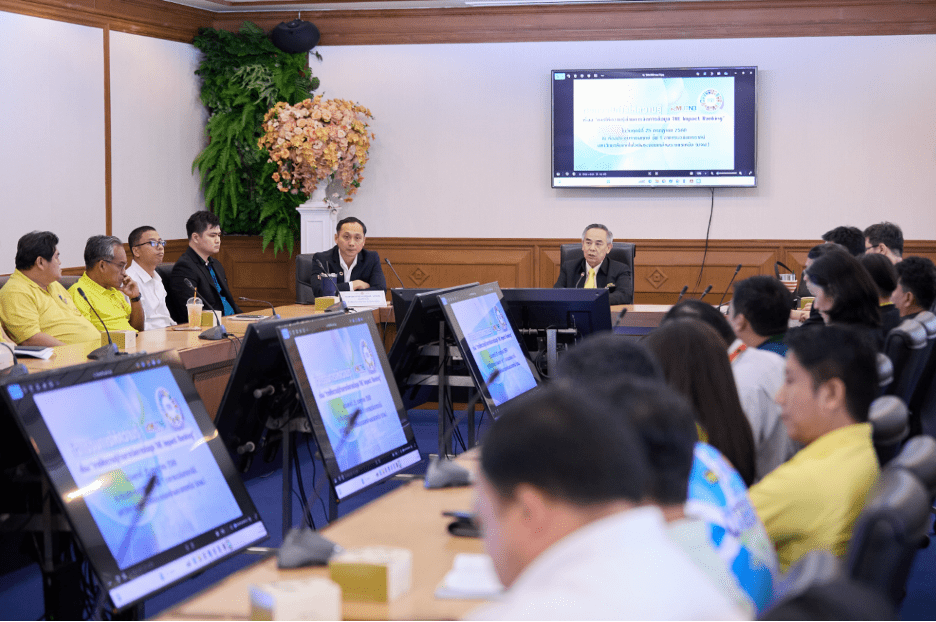
- Aquatic Ecosystem Monitoring Programme: KMUTNB launched educational programmes to train students and local community members in aquatic ecosystem monitoring, water sampling, and habitat restoration to maintain biodiversity and water quality.
Source: KMUTNB University News