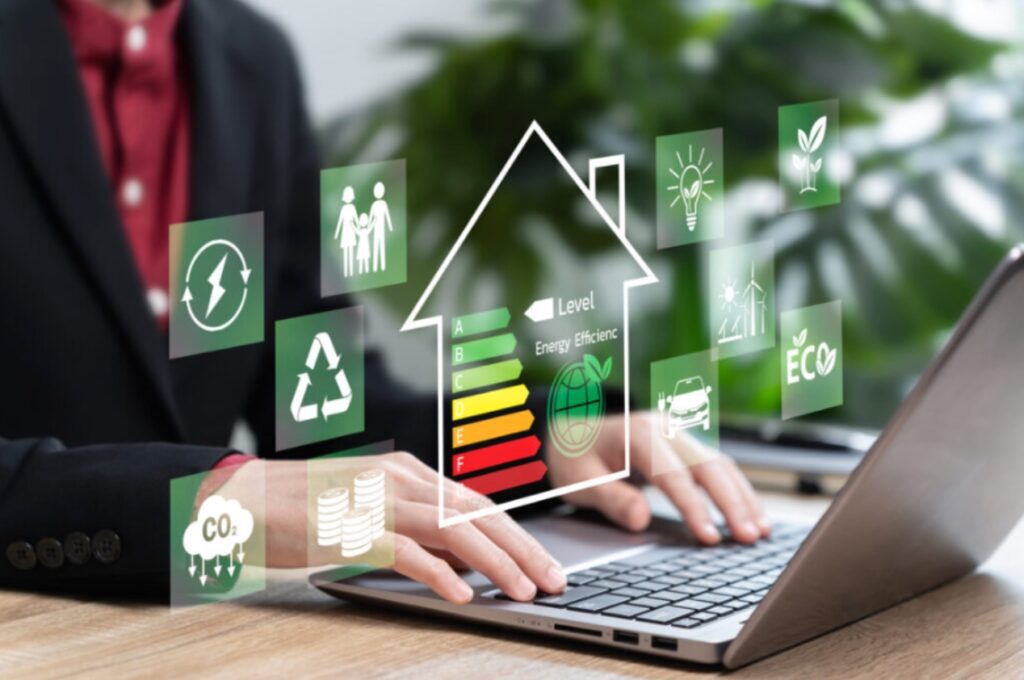
KMUTNB is committed to managing its carbon footprint and reducing carbon dioxide emissions across all university operations. The university will implement a carbon management process that includes measuring, monitoring, and reporting emissions from energy use, transportation, waste management, and academic activities. Carbon inventories will be updated annually to identify the main sources of emissions and opportunities for reduction. To actively reduce CO₂ emissions, KMUTNB will prioritize energy efficiency measures in campus buildings, laboratories, and facilities, including upgrading lighting, heating, ventilation, air conditioning systems, and promoting smart energy management technologies. The university will also encourage the use of renewable energy, such as solar panels and biomass energy and clean electricity procurement, to replace fossil fuel-based energy sources. Transportation emissions will be addressed by promoting low-carbon mobility initiatives, such as electric vehicle adoption, bicycle-friendly infrastructure, and shuttle services for staff and students. In addition, KMUTNB will integrate sustainable practices in research, procurement, and campus operations, such as waste minimization, green procurement, and water conservation, to further reduce indirect emissions.
For example:
- Faculty of Technical Education – KMUTNB
- Conducted initiatives to reduce carbon emissions, including upgrading energy systems in buildings, installing energy-efficient lighting, and promoting low-energy laboratory equipment usage.
- Established monitoring systems to track energy consumption and carbon output across multiple facilities.
- Implemented awareness campaigns for students and staff to encourage energy-saving practices and reduced reliance on fossil fuels.
- Source: FTE SDGs Activity
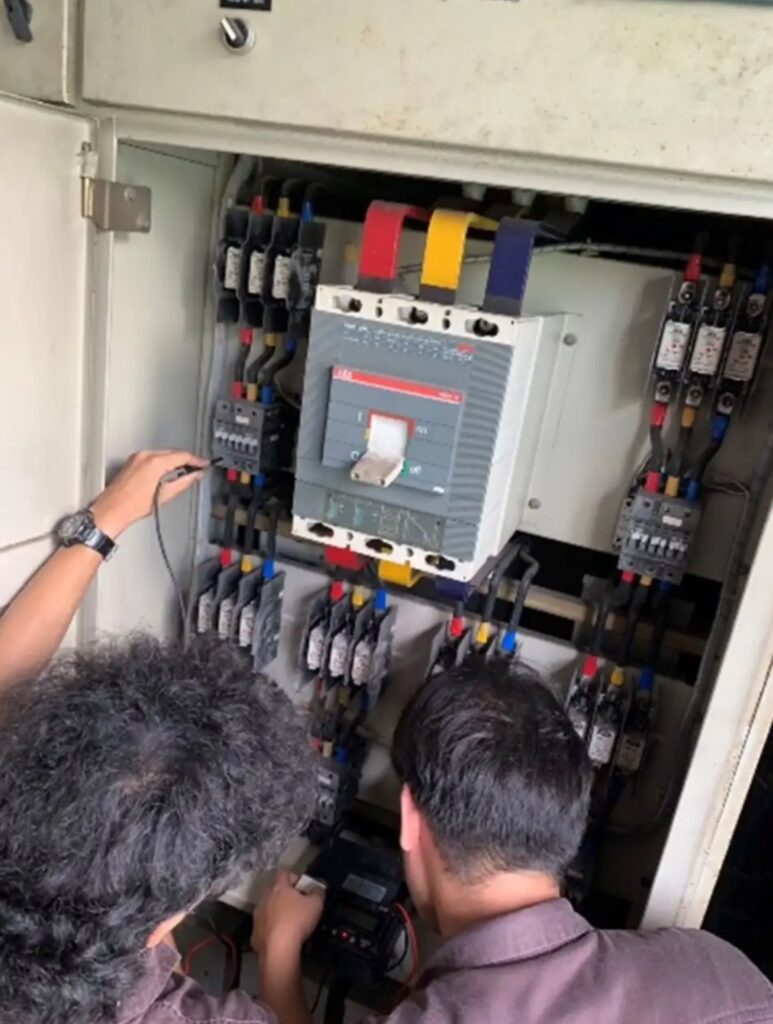
- KMUTNB ICIT – Low Carbon Energy Monitoring
- Deployed monitoring systems for campus buildings to measure electricity consumption and associated CO₂ emissions in real-time.
- Utilized data to optimize energy usage and implement emission reduction strategies, such as adjusting HVAC schedules and improving equipment efficiency.
- Supported continuous evaluation and reporting of low-carbon initiatives.
- Source: Low Carbon Energy Monitoring