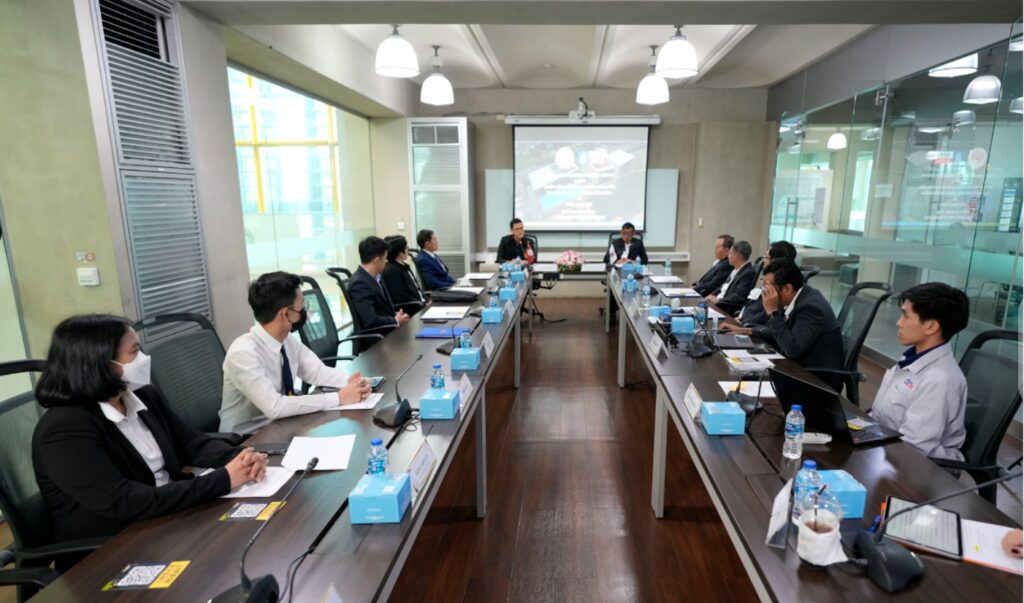
KMUTNB actively supports local industries in improving energy performance and adopting clean energy solutions through a range of energy efficiency and renewable energy services. The university provides technical assessments and energy audits to help industrial partners identify opportunities to reduce energy consumption, optimize production processes, and transition toward sustainable energy use. These assessments will be conducted by expert teams from relevant faculties and research centers, applying advanced measurement tools and data analysis techniques. To strengthen knowledge transfer, KMUTNB organizes training programs, workshops, and seminars for industry professionals on topics such as energy management systems, waste heat recovery, green manufacturing, and renewable energy technologies. Collaborative learning activities will aim to build capacity in the industrial sector and encourage companies to implement best practices in energy conservation and carbon reduction. The university promotes joint research and development projects with industry partners (with and without co-funding) focused on innovative clean energy technologies, including solar, biomass, and hydrogen-based solutions. KMUTNB will also develop a consultation and support framework that connects industry with university expertise, providing tailored recommendations and follow-up evaluations to ensure measurable energy and cost savings.
for example:
- Faculty of Technical Education – Industry Training & Assessment
KMUTNB organized workshops and provided energy-efficiency assessments to local industries, helping companies identify energy-saving opportunities and implement renewable energy solutions.
Source: FTE Energy Efficiency for Industry
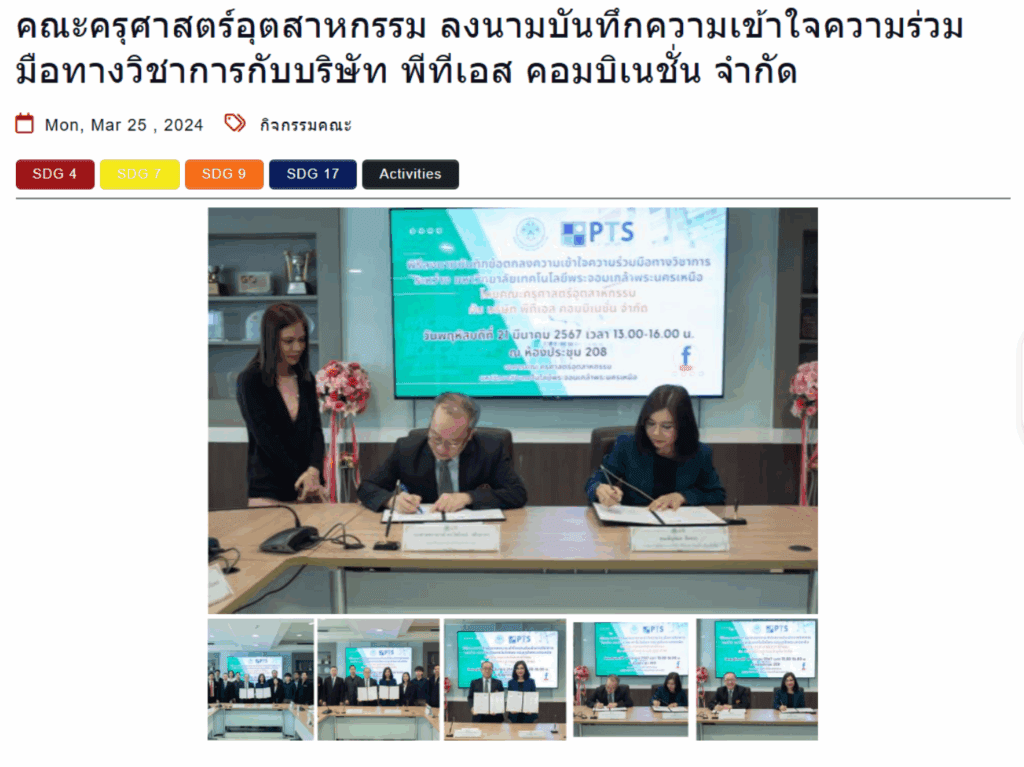
- Faculty of Science, Energy and Environment (Rayong Campus) – Research Cooperation Project
Offered free consultancy and research collaboration to industry partners on energy efficiency projects, promoting sustainable practices without charge.
Source: Research Cooperation Project