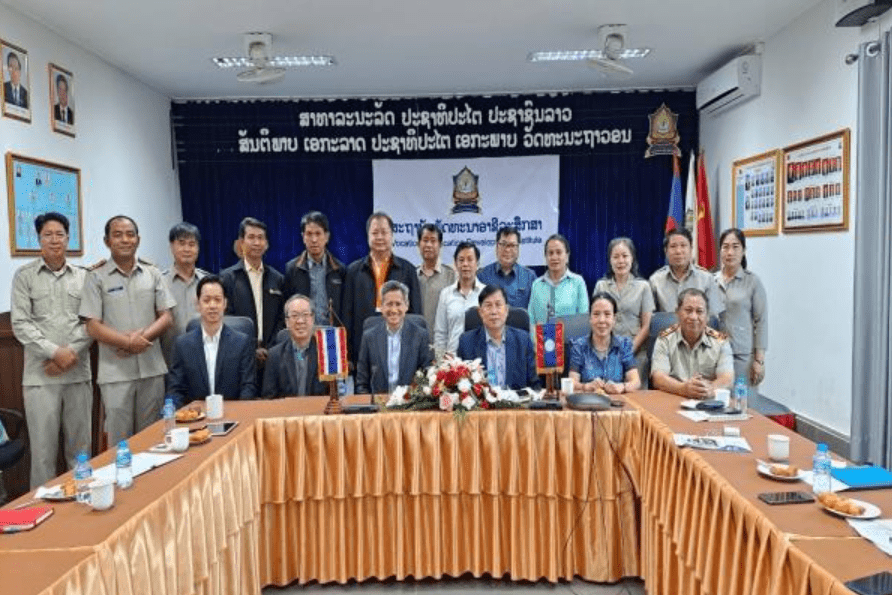
KMUTNB participates actively in national and regional SDG‑policy development through targeted collaborative projects that integrate stakeholder input, scenario modelling and adaptive strategy design. For example, the university partnered with the National Science and Technology Development Agency (NSTDA), as an NGO, and its Thailand Center of Excellence for Electric Vehicles (TECE) on a project to prepare the workforce for the electric‑vehicle industry and sustainable battery management — a programme which feeds into national industrial policy and regional skills‑strategy.
Another relevant initiative addresses industrial waste reduction and value‑addition: KMUTNB researchers collaborated with private industry to reduce industrial waste and enhance product value (in turn contributing to policy for circular economy and sustainable production) in the “Project to Reduce Industrial Waste and Enhance Product Value”.
Through these and similar efforts, KMUTNB supports the full policy lifecycle: identifying systemic problems (e.g., workforce gaps, industrial waste), developing evidence‑based strategies and modelling futures (with vs without intervention), monitoring outcomes and providing adaptive feedback to government and stakeholder agencies.
For example:
- KMUTNB collaborates with local communities, NGOs, and government bodies to identify regional sustainability challenges and propose evidence-based policy solutions. (FITM KMUTNB Facebook)
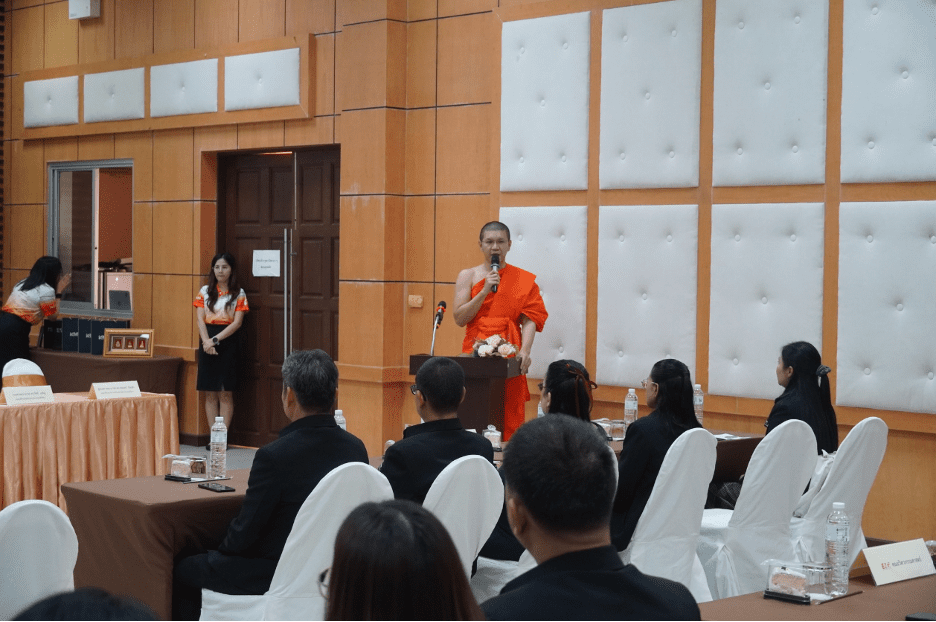
- The university participates in strategic planning workshops, offering research insights to inform policy decisions and align with SDG targets. (FTE KMUTNB)